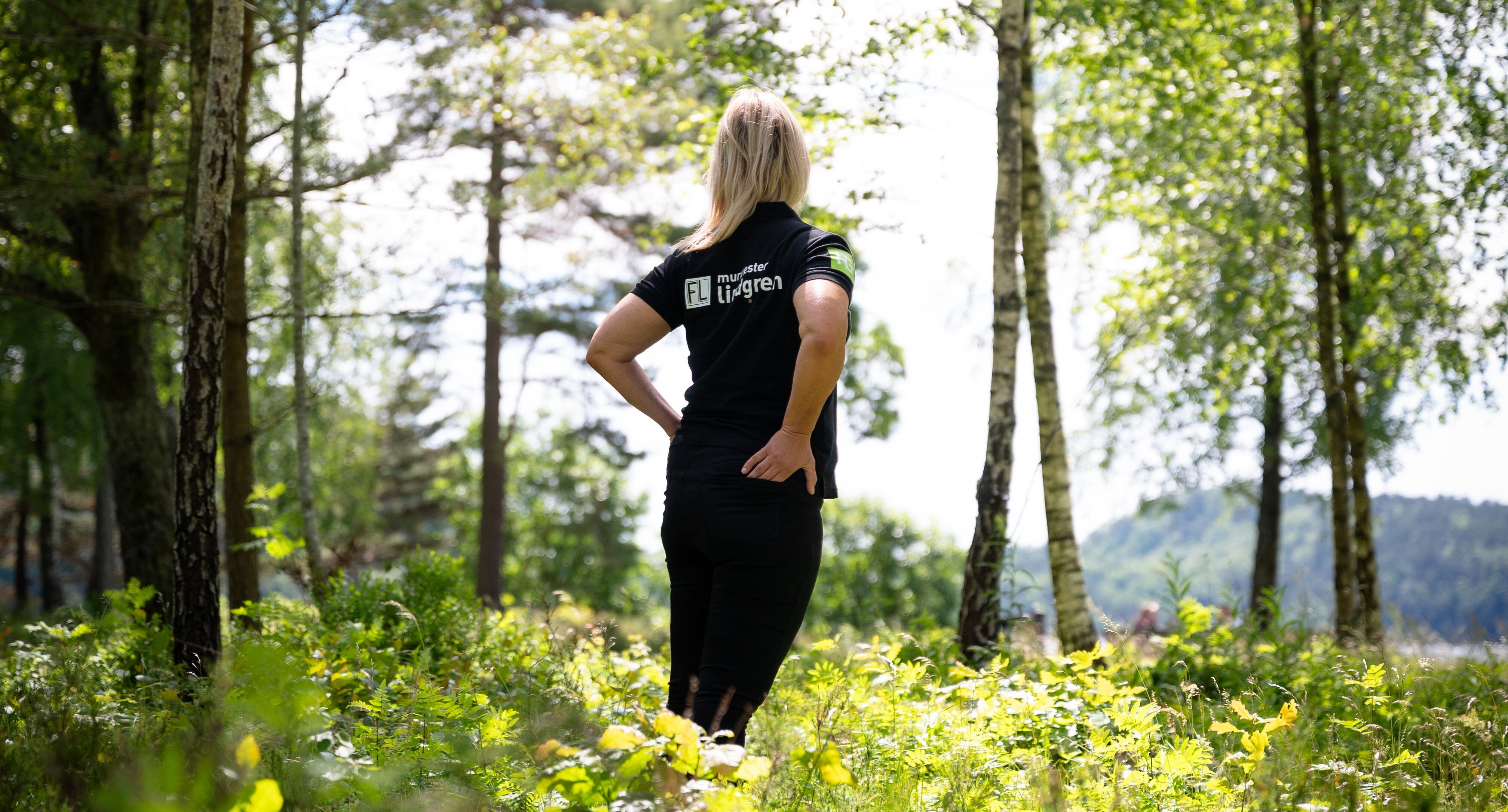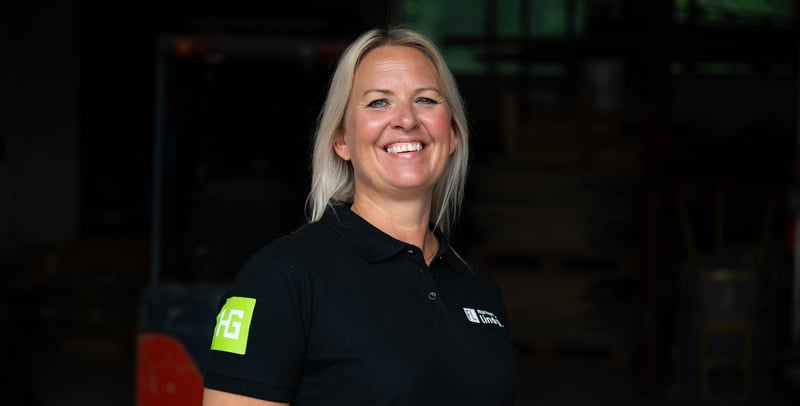
When Lise Schie started at Murmester Lindgren, it was in a 40 percent position as a secretary.
She had no background in finance.
No background in construction.
No plan to become General Manager.
But she wanted to learn.
Today, she is in her eighth year as General Manager of the Norwegian masonry company, which is part of Håndverksgruppen. Along the way, the company has developed significantly – from 8–10 employees to 33.
– I have always been interested in numbers, says Lise.
When Lise started at Murmester Lindgren, the company was going through a difficult period. She quickly had to learn how to review the figures and understand the business. Why aren’t we making money? What can we do differently?
She received great support from a woman at the company’s external accounting office. There, she gained insight into bookkeeping and project finances, and gradually took on more responsibilities. Eventually, she was told:
– Now I don’t need to teach you anything more.
That became a turning point. Lise grew with the responsibilities, gained more authority, and over time became the natural successor when the company was about to enter a new phase.
Numbers first – but not alone
When Lise took over as General Manager eight years ago, she continued the work she had already begun, to an even greater extent – with sharper project financial management, more structure, and better oversight.
It was about creating a healthy and resilient business. But for Lise, finance has never only been about margins. It has also been about trust.
– Not invoicing a single hour more than you should. Being honest in everything you do, she says.
That approach shapes everyday life throughout the company. Whether it concerns small assignments, framework agreements, or additional work along the way, the logic is the same: the customer should only pay for what Murmester Lindgren actually delivers – down to the last krone. It is not just good practice, but a deliberate part of the way the business is run.
For Lise, her own name is also at stake. If the company is to be known for anything, it should be honesty. And it is precisely the combination of integrity in operations and sharp project management that has helped create a business with strong earnings and profit margins well above 10 percent.
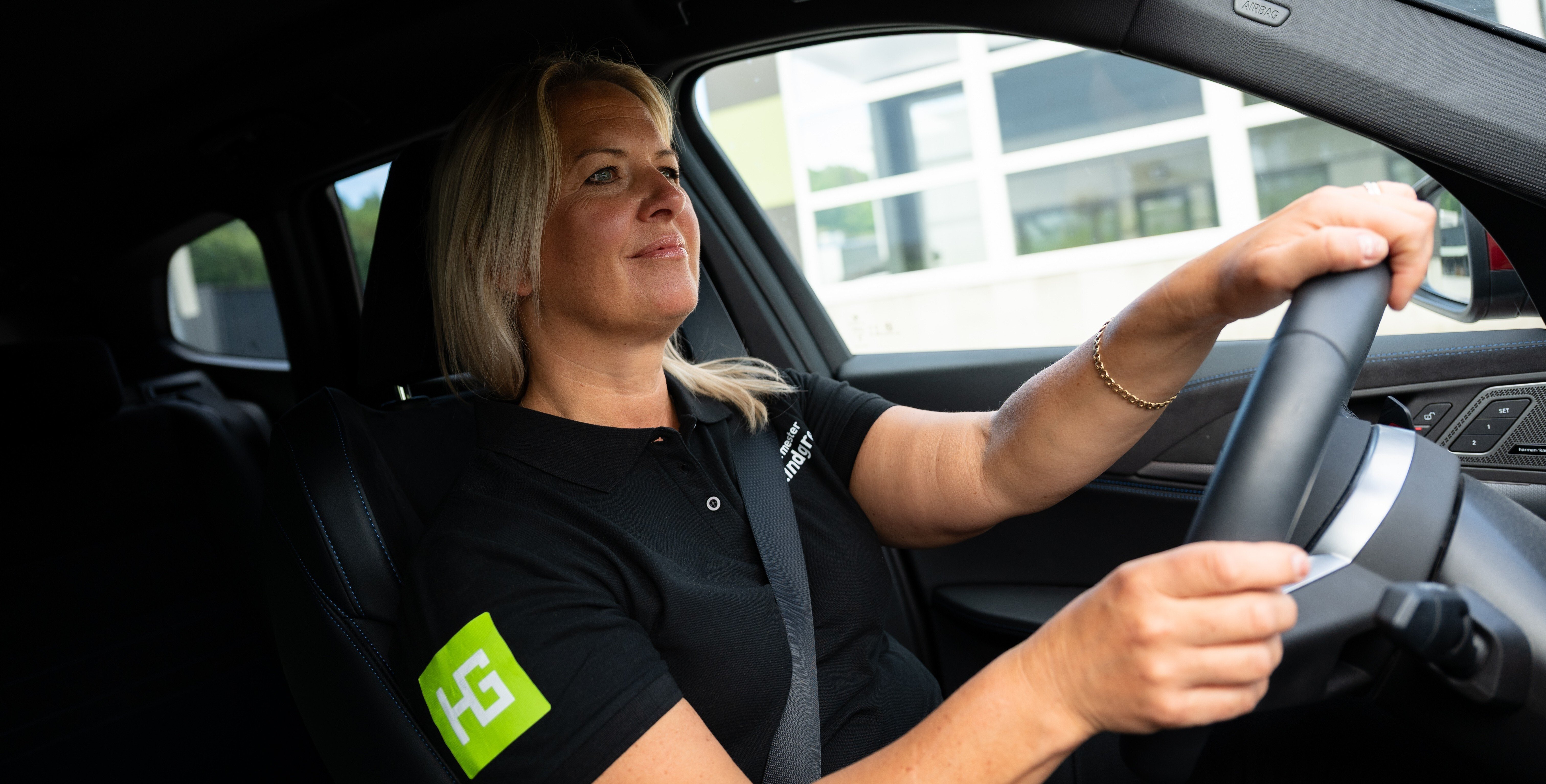
Growth also requires letting go
When they were 10 employees, Lise had control over everything. Every krone in and out. Every detail.
Today, Murmester Lindgren has grown larger. That means her role has had to change as well.
– I’m probably a bit of a control freak, she says with a smile.
But growth has taught her something else too: how to delegate. How to trust others. How to let go of some of the details without losing her grip on the business.
– One advantage of not being a mason myself is that I am completely dependent on having good people around me.
Today, the company works with clear job descriptions and clearly defined areas of responsibility. They have several project managers, regular financial reviews, and monthly follow-ups on production, health and safety, and project results.
Lise still follows the finances closely and likes to be involved in changes that have a significant impact on projects. But when it comes to the ordinary progress of the projects, she has become better at leaning back – because she knows the right people are in charge.
That is a necessary discipline when a company grows.
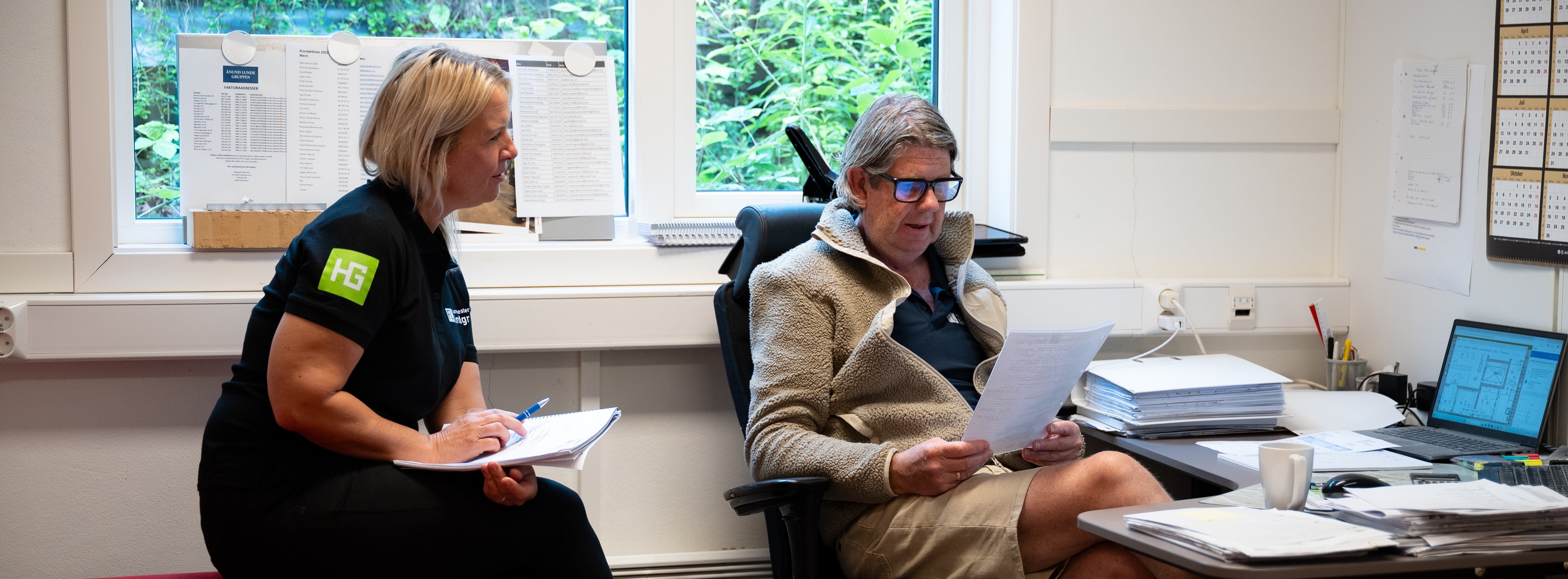
The employees are not just masons from 7 to 3
If you want to understand Lise’s leadership, it is not enough to look at spreadsheets.
You have to look at her view of people.
– People are the most important thing. No one could have done this alone, she says.
That is why she goes to great lengths to create closeness in a company where employees often work in different teams, on different projects, and across trades.
For a period, she went out to the projects every Thursday to meet employees face-to-face. Not to control them, but to stay close.
She wants to know who people are. Who they are married to. What their children’s names are. How they are doing.
On a company trip to Barcelona, one employee said to her:
– Look around you. Look at all these people you provide work for every single day, so that we can feel safe and secure in our free time. With the way you take care of us, you are almost an employer for 100 people.
That touched on something essential. Because Lise’s care does not stop with the employees themselves, but extends into the lives they have around them. Employees are not seen as resources at your disposal from 7 to 3. They are whole people with relationships and lives outside work.
That is also why the company places a high priority on social events such as autumn parties, outings, and the annual company trip, where employees – and often their immediate family members – take part. In this way, the company fosters a sense of community across the company and strengthen employees’ feeling of belonging.
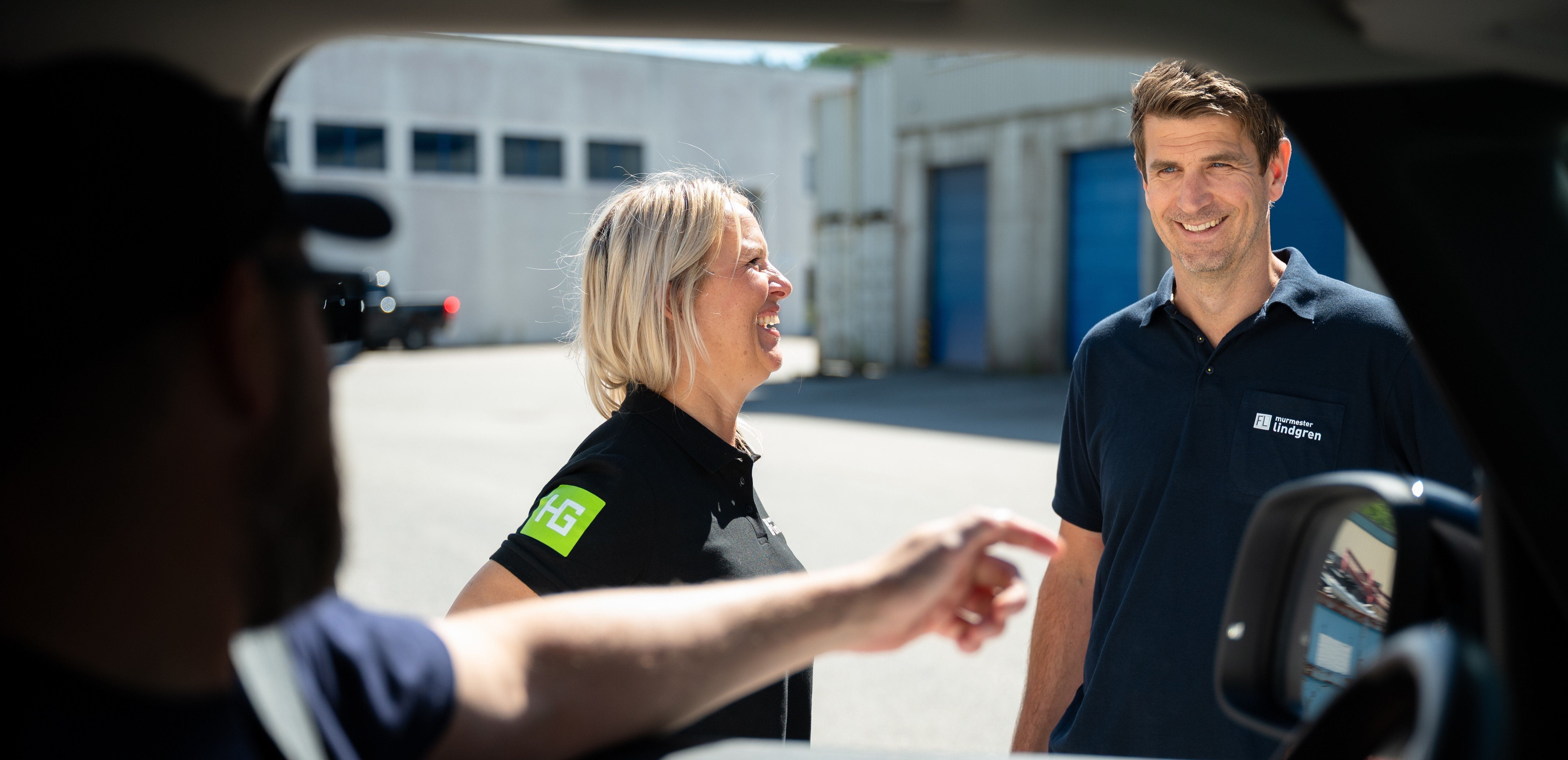
A culture they formulated themselves
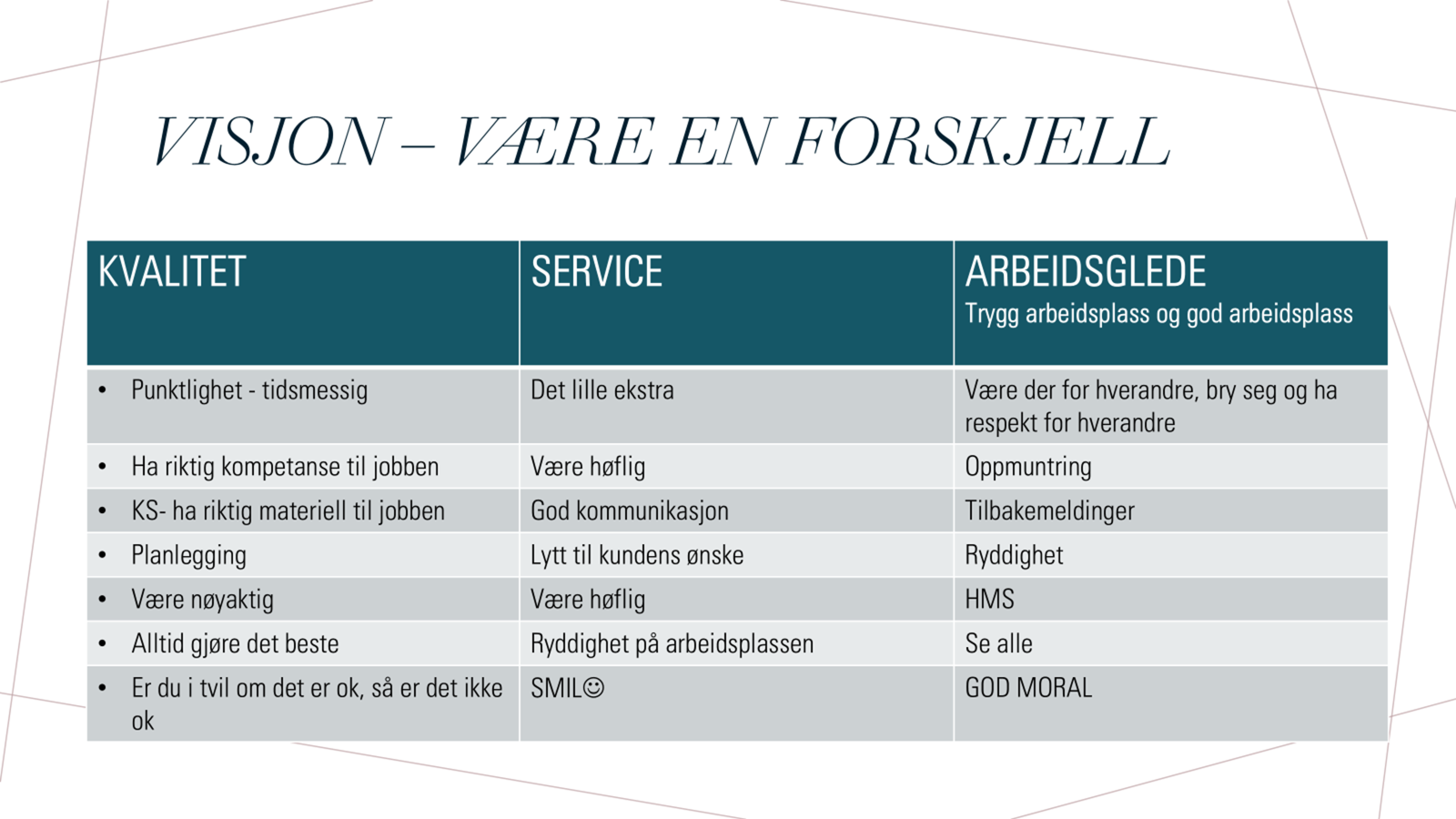
One of the things Lise highlights is the company’s shared vision: “to make a difference.”
Around 12 years ago, the employees sat down together and formulated it collectively. Not as a management project, but as a shared understanding of how they wanted to work.
The vision is built around three themes: service, job satisfaction, and quality.
Under the theme of service, for example, points emerged such as going the extra mile, listening to the customer, and meeting people with a smile. These were not Lise’s words. They were the employees’ own.
That is precisely why the vision is still alive.
In practice, it has become the company’s culture compressed into just a few points. It provides direction in everyday life – both internally and out with customers.
And the customers notice it. The same foremen and project managers keep returning, and customers often ask to have the same people back. That is a sign that relationships, stability, and integrity can also be a competitive advantage.
Respect should not come from a last name
Murmester Lindgren was established in 1987 by Frode Lindgren. Lise Schie is not part of the family, but has nevertheless been asked several times whether she is the daughter of or related to the former General Manager.
She is not.
That is perhaps also the part of being a woman in a male-dominated industry that she notices most clearly: that some people are still looking for an explanation.
She has not experienced resistance in her role as General Manager. On the contrary, she is often met with respect. But she also notices that she makes an extra effort.
– I do think I work even harder because it is a male-dominated industry, she says.
Perhaps that is exactly why her leadership stands out so clearly: close to operations, close to people, and with a strong idea that integrity is not something you say – but something you do.
That is how Lise Schie has helped build Murmester Lindgren further: on honesty – and on people.