There is a project that needs to get started.
On Monday.
Two people.
They need to be security cleared.
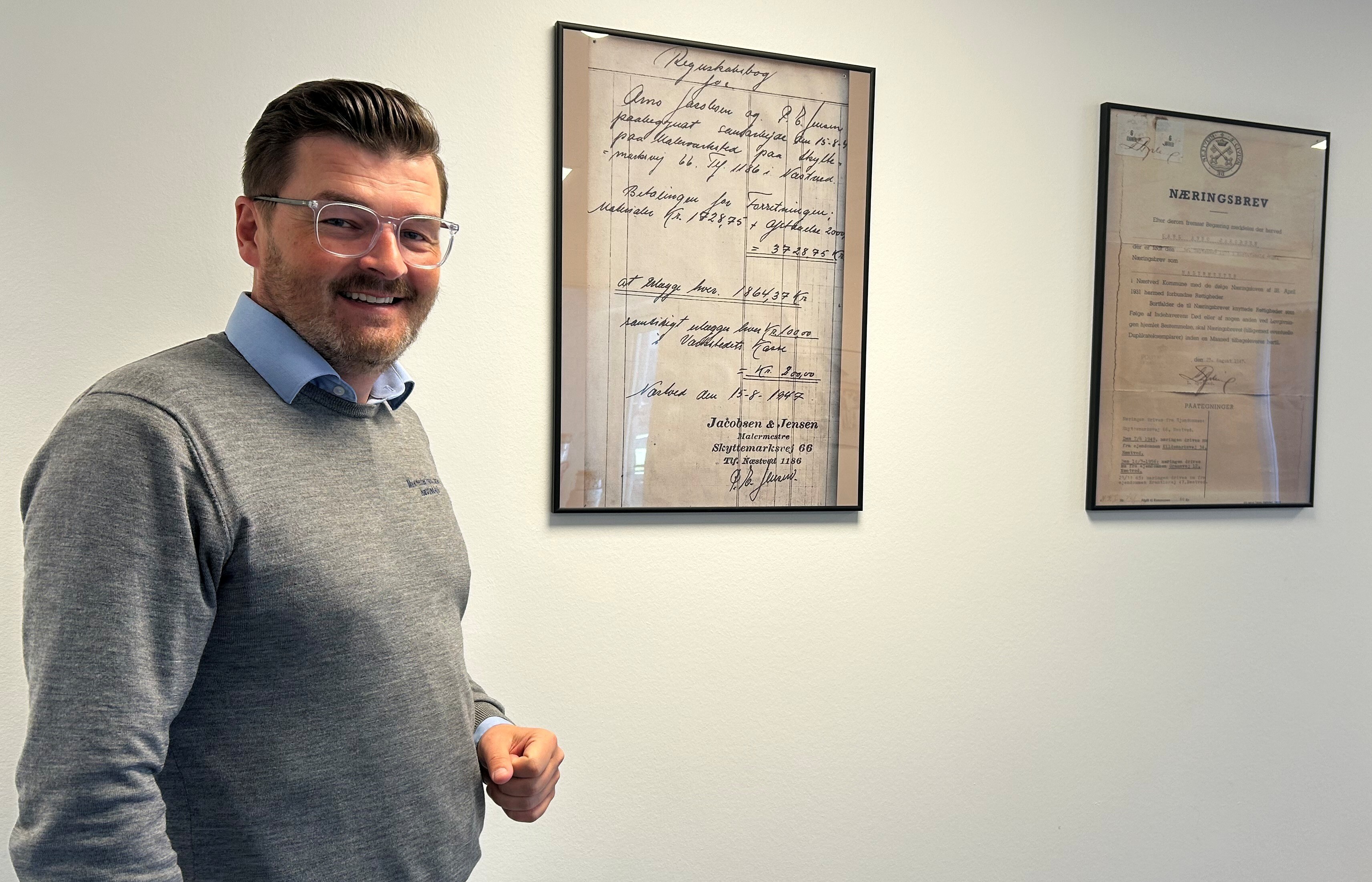
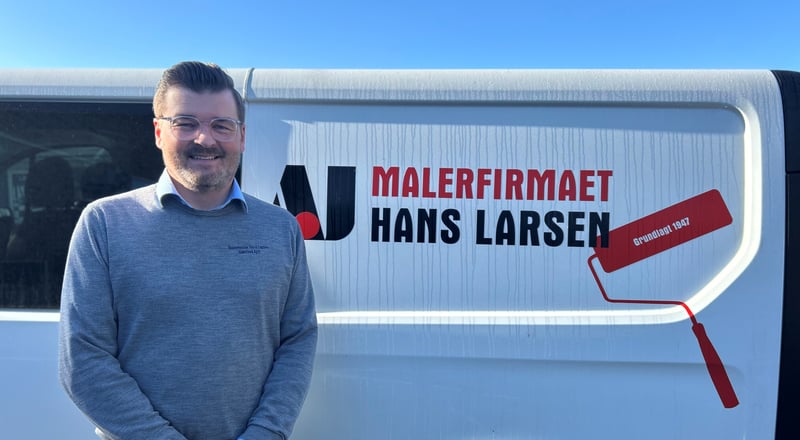
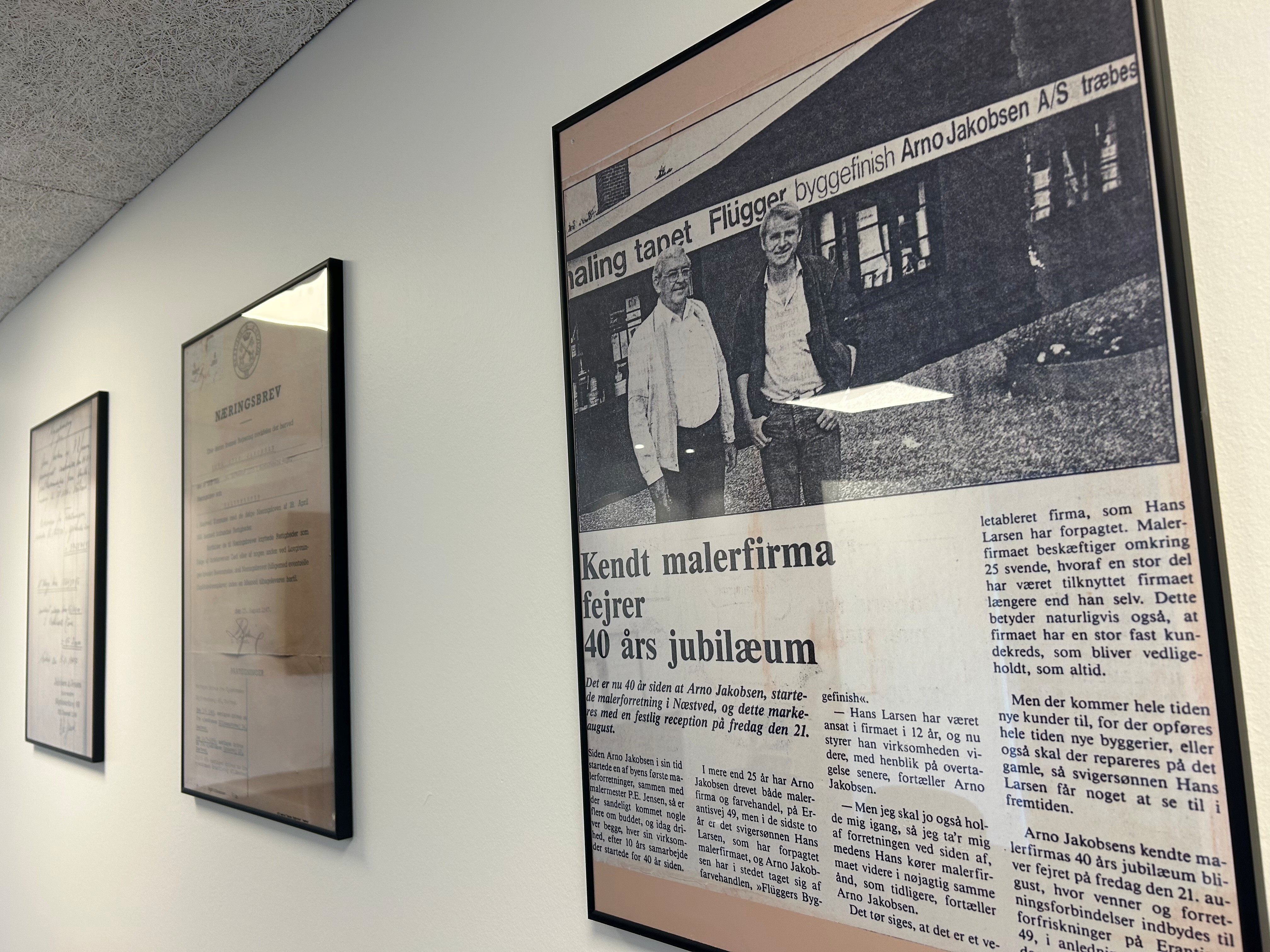
For Morten Larsen, this is the type of project that used to cause headaches. Not because Malerfirmaet Hans Larsen from Denmark, founded in 1947 and now run by Morten after his father, lacks employees. The challenge is rather that projects do not always match the capacity available here and now.
That is exactly the situation Morten is facing right now: a project with special security requirements. A short deadline. Two people who need to be found quickly.
That is why Morten is meeting Ulrik from the HG company Ganløse Malerfirma today to discuss the matter. The project is located in central Copenhagen and starts on Monday. The customer is ready. The only thing missing is the right people.
Previously, Morten would have had to look outside the company. Call around, find someone through someone else – perhaps through second or third connections. And still with uncertainty: will it be delivered as it should?
Today, he does something different. He calls Ulrik – or a colleague from one of the other Danish HG companies.
– I do not have to doubt that it will be delivered. Time and time again, I have experienced that projects are completed as agreed, he says.
Only one year in Håndverksgruppen
At Malerfirmaet Hans Larsen, there are around 70 employees and an additional 40 hired in across projects. Business has been busy for a long time.
It has only been about a year since the company became part of Håndverksgruppen, but the collaboration across companies has already become an integrated part of the way they work.
Over the past year, Malerfirmaet Hans Larsen has been involved in 7–8 projects together with other companies in the group.
– I am not seeking more work than usual, says Morten. But I can say yes to more.
For example, when there are projects in Nykøbing Falster or Rødby on Lolland, Morten collaborates with Malerfirmaet René Palm. Other times, it is Malerfirmaet Sander & Dam, Staubo, Olsen & Christiansen, Buhr or Seehusen that have carried out projects for his customers. This means that both the capacity and the geographical reach have in practice become greater – without the organisation growing correspondingly.
The same customer experience – several companies behind it
When Malerfirmaet Hans Larsen has a project in collaboration with other HG companies, Morten usually handles the overall customer contact and project coordination, while the customer is in daily dialogue with the company carrying out the work.
– It is simply Ulrik and his people who show up. Customers get used to that quickly, and in practice they notice no real difference, says Morten.
The quality is the same regardless of who carries out the work.
If questions or a need to align expectations arise during the project, the customer will typically speak with Morten. Otherwise, things run smoothly.
The collaboration requires coordination, but provides flexibility.
– It is about assigning the right people to the project across companies, and once that is in place, the cooperation works.
And that opens the door to something else: being able to say yes to projects you would previously have declined – even at short notice. And perhaps most importantly: the reassurance of not standing alone. There is always someone to call. And someone who answers.
Trust as the foundation
The collaboration began at a gathering for all the Danish HG companies in Odense, where Morten met Ulrik. A specific situation arose there: Morten lacked both people and management capacity to take on a project. Ulrik took it over.
– It went quite well, says Morten dryly.
That is precisely the point. That projects can flow between companies without major friction – without long processes and many middlemen. But it requires more than structure. It requires trust.
And trust does not arise by itself. It is built over time – especially when people meet in person, across companies, on construction sites and in conversations where the relationship becomes more than just a company name.
Morten speaks with Ulrik almost daily. Not because it is planned, but because it is necessary.
– If I can help, I do, he says.
Because he also knows that the situation can change. That one day he himself may be in the opposite situation – with 3–4 people lacking work. And in need of someone to reach out to.
– You get what you give.
It is not a strategy. It is an experience.
Part of something bigger
– For me, it is about lifting together as a group. Whether the project is here or somewhere else is less important. I see it from the group perspective.
That mindset did not come from nowhere. Morten previously played football and was captain of the team.
– You lose, no matter how good you are, if the team does not work.
The same logic applies in business today. If the collaboration between people does not work, you do not achieve your goals.
– It is about making things work together – not separately.
And in practice, that means supporting one another, sharing capacity and lifting together when needed.
That is also something that runs through Håndverksgruppen – the values that bind people and companies together: We care. We are local. We act.
And Morten is one of many who make it part of everyday life.