Market fragmentation
The surface treatment solutions market is highly fragmented and primarily comprises many small local companies. The fragmentation of the market provides opportunities for compounders. There is an increasing demand from customers in terms of quality of services, ESG, digitalisation and transparency, as well as increased economies of scale that may further drive consolidation in the market.
Resilience in refurbishment
Over the course of several decades, the refurbishment segment has proven to be more stable than the new build segment. This is explained by the fact that some refurbishment projects cannot be postponed due to regulations, the risk of additional damages if refurbishment is not carried out, and the relatively low cost of refurbishment projects in relation to overall building project costs.

Aging buildings
Our markets have a large and growing stock of aging buildings in need of surface treatment and renovation. The increased attention to ESG is accelerating the need for refurbishment in the aging housing stock. In Germany alone, the gap between the current renovation rate and what is needed to meet climate targets is significant – creating substantial long-term demand for professional surface treatment services. Across our markets, tightening environmental regulations, including requirements for energy renovation and stricter procurement standards, are accelerating demand for professional, certified operators and creating a structural tailwind for companies like HG.
Less undeclared work
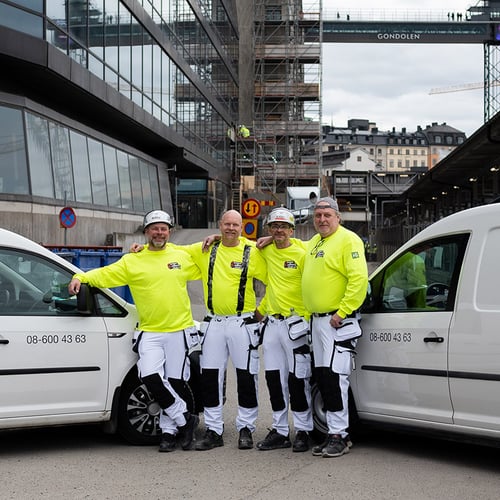
Historically, there has been a share of undeclared work in the industry. The market has the last decade seen a diminishing trend of undeclared work which is just accelerating due to several reasons, including social unacceptance and increasing governmental efforts. This drives customers towards professional, trustworthy players in the market – and benefits established operators with strong reputations and documented compliance.
Housing shortage
There is a European-wide housing shortage, which has been further worsened by a decline in new build activity in recent years. In Sweden, more than 40% of municipalities continue to report a housing shortage, according to Boverket (2025). In Germany, the apartment deficit has grown to an estimated 1.4 million units, according to the Pestel Institut (2025). With interest rates stabilising across the Nordics and Europe, there are early signs of a gradual recovery in construction activity – which, combined with the persistent housing shortage, supports a positive medium-term outlook for the industry.
Shortage of skilled labour
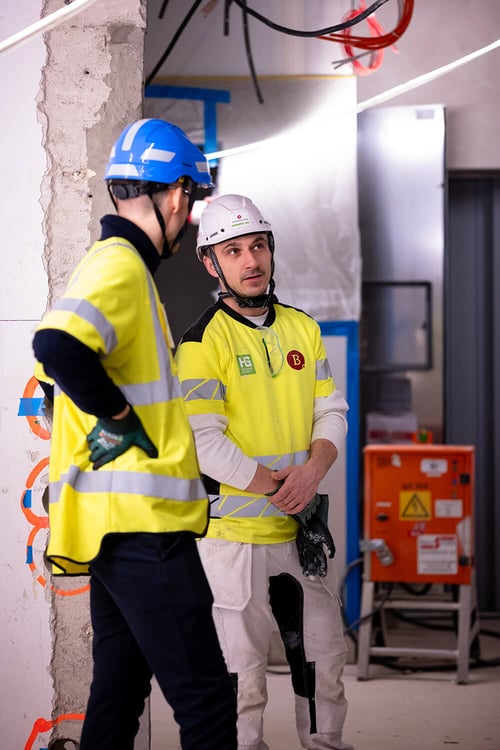
The surface treatment solutions market is experiencing a structural shortage of skilled labour across all of HG's markets. In Sweden alone, one quarter of the construction workforce is expected to retire by 2030, while vocational enrollment dropped 15% between 2015 and 2024 (Mordor Intelligence, 2026). Across Europe, a long-standing reliance on labour from Eastern Europe is also under pressure, as economic development in those countries makes working closer to home increasingly attractive.
While the labour shortage places a constraint on overall market growth, it creates a structural advantage for established players. Companies with strong employer brands, stable teams and attractive working conditions face significantly less competition for both projects and people. This dynamic directly reinforces HG's strategic priorities: our focus on culture, apprenticeships and people development is not only the right thing to do – it is a long-term competitive advantage that is becoming more valuable as the labour market tightens. Our long-term goal of 12% apprentices in our workforce is a direct response to this structural challenge, investing in the next generation of craftspeople across all our markets.

Regulatory compliance and sustainability
Quality assurance, regulatory compliance and sustainability are driving the need for digitalisation and innovation. Despite technological improvements in this area, the overall risk of major digital disruption to the core craft services remains low. Players with scale, strong employer brands and structured compliance frameworks are increasingly well positioned to capture the shift towards more professionalised and sustainable operations – a shift that is accelerating across all of HG's markets.
Read other stories