SUSTAINABILITY AT HG
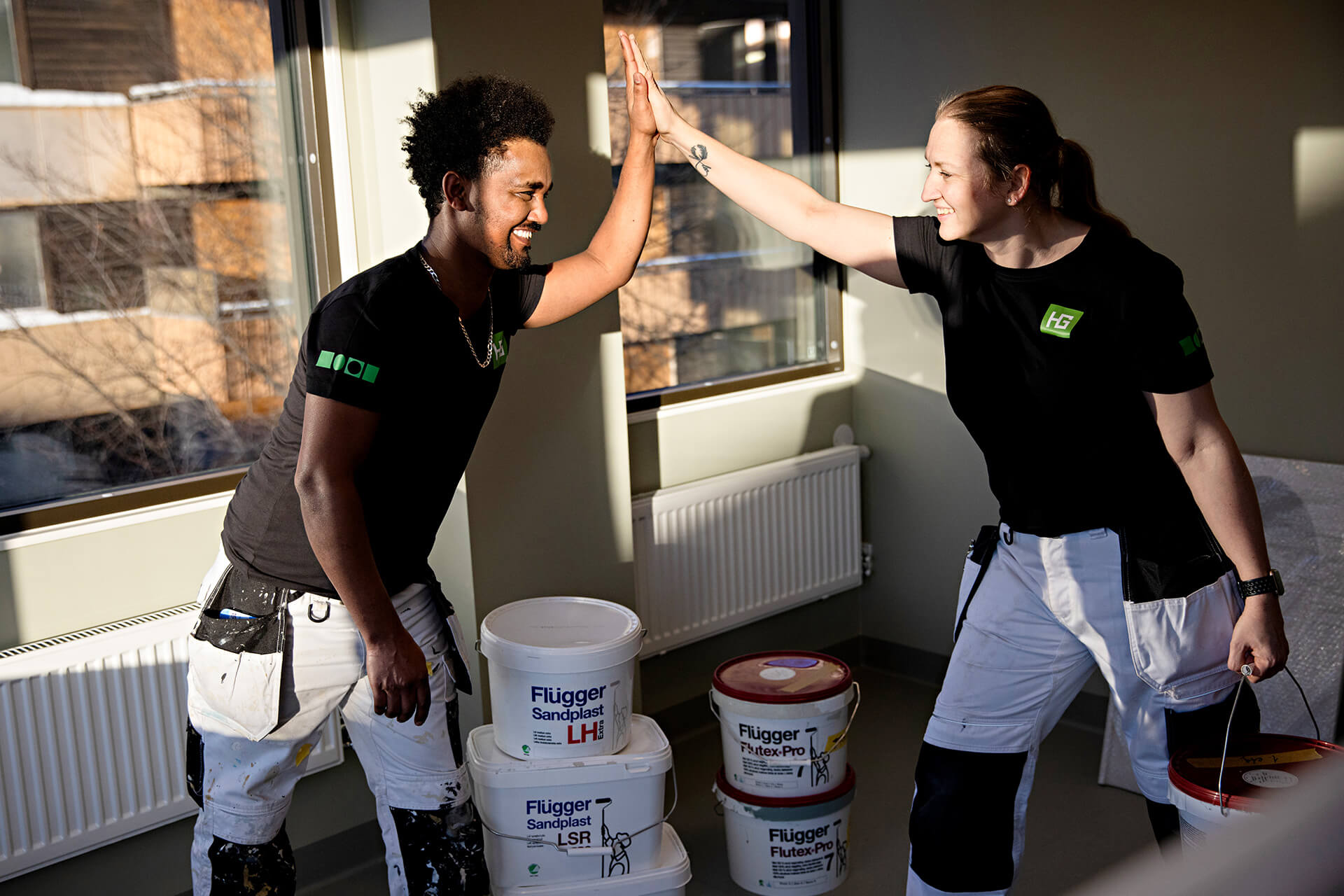
The crafts industry has historically depended on human and natural resources without always taking long-term sustainability impact into account. We acknowledge that context and are working systematically to do better, both by putting our people first and improving the way we use materials and energy.
The fragmented nature of our industry has often seen smaller, local companies face pressure to focus on immediate business performance over long-term sustainability. As part of HG, local companies gain access to a network, tools and support that make it easier to take a longer view. We set clear expectations, share good practice, and help our companies make sustainable practices a natural part of daily operations.
This approach has become a strength for us, both in attracting new companies to the group and in building trust with customers. Our sustainability efforts are increasingly seen as a competitive advantage, especially in larger national contracts where sustainability performance is a formally weighted selection criterion.
Sustainability is anchored in HG’s leadership and governance structure. The Board of Directors provides strategic oversight and approves our sustainability-related policies and targets on an annual basis, including our Sustainability Policy, which is reviewed and renewed every year. The Group Management Team (GMT) sets our group-wide strategy, goals and initiatives, integrating them into the commercial strategy and key decision-making processes. At group level, the Sustainability Manager works closely with the GMT to advance the sustainability agenda – implementing our sustainability initiatives, tracking and reporting on performance, and ensuring readiness for evolving regulatory requirements.
Each country has a dedicated Managing Director, who plays a key role in translating group-level goals into local action. Country HR Managers own the social sustainability agenda locally, while Regional Managers and General Managers of our local companies are responsible for implementation on the ground. This structure ensures that sustainability is embedded at every level of the organization, from the boardroom to the worksite.
At HG, our sustainability work is grounded in the realities of our business. We are a people company, and we know that our long-term success depends on how we care for people, use resources and manage risk. The foundation of our approach is our Double Materiality Assessment (DMA), which we conduct in line with the Corporate Sustainability Reporting Directive (CSRD) and the European Sustainability Reporting Standards (ESRS). We completed our first full DMA in 2024, supported by PwC, and updated it in 2025 using a structured top-down approach. The DMA looks at sustainability from two perspectives: the impact we have on people and the environment, and the sustainability-related risks and opportunities that affect our financial performance. Together, these form the basis of what we report on and where we direct our efforts.
Our 2025 DMA confirmed six material topics listed below, encompassing 14 material sub-topics. These are:
These topics align closely with the priorities we have held since the beginning of our sustainability journey. The 2025 DMA sharpened our understanding of where the greatest impacts, risks and opportunities lie and reinforced the importance of keeping these topics closely linked with our business strategy. Our sustainability work is organized around three pillars, each supported by specific goals, strategic initiatives and targets:
We expand on each of these below.
Our people are the heart of our business. As a crafts-based group with operations across four countries and close to 4 700 employees, our long-term success depends on skilled hands, strong teams and safe, fair workplaces. Since the beginning, we have worked to build a culture based on respect, inclusion and continuous learning, which is shaped by local needs, but is united by shared values. The 2025 DMA confirmed that our own workforce is among HG’s most material topics. Specifically, five sub-topics within S1 all meet our materiality threshold, as listed above. This reflects both the significant positive impact we can have on our people, and the real risks we must manage. It reinforces our belief that focusing on people is not only the right thing to do, but is also central to how we create lasting value as a business.
Developing our people
Investing in our people’s development is a strategic priority across the entire group. Our General Managers are at the heart of how HG operates – they are the leaders who embed our values, drive performance and build the culture of their local companies. Succession planning and leadership development are therefore high on the agenda.
In 2025, significant effort went into strengthening the HR function across the countries, with new HR managers brought in place in Norway and Denmark, creating a stronger foundation for more systematic people development going forward. The HG Academy, our internal training platform, remains a key lever for this, offering courses across core areas of learning and leadership, delivered in flexible formats that match the realities of our local companies. We expect to increase its reach and utilization in the coming year. Apprenticeships are another important investment in the future. During 2025, we continued to work with local schools and communities to attract new talent, as we work towards our long-term target of 12% by 2030.
Health, safety and well-being
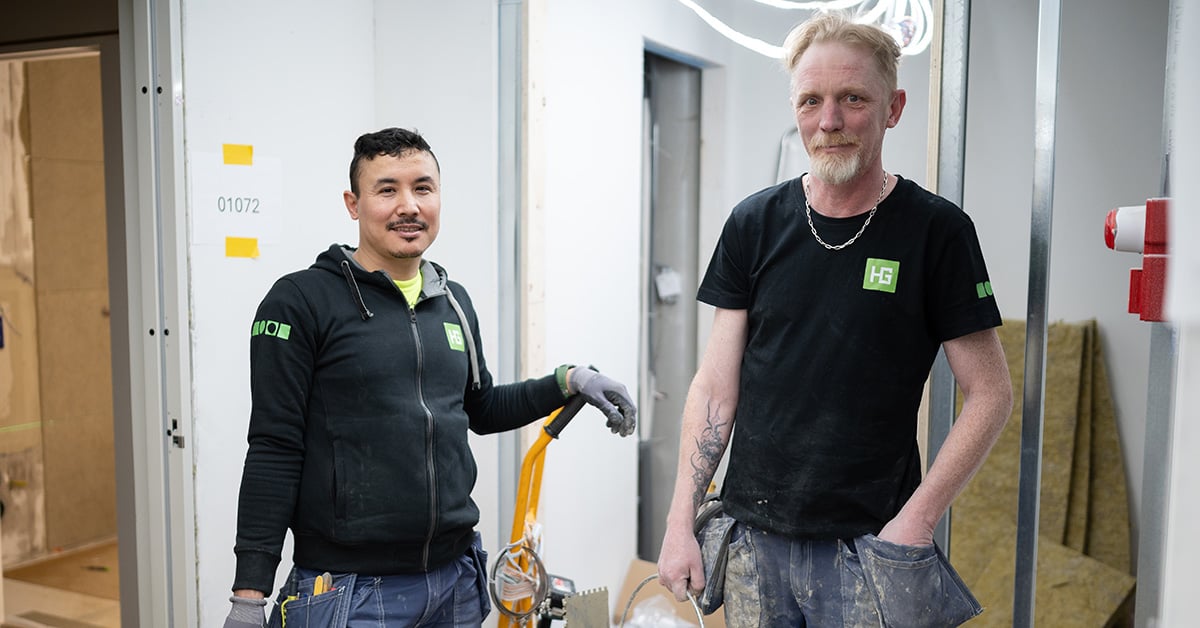
The safety of our employees is one of our most fundamental responsibilities. Our work involves real hazards, and our ambition is clear: everyone should come home from work safe and sound, every day. We track this through our Lost Time Injury Frequency Rate (LTIFR), which was 10.9 in 2025. While this represents a small increase compared to the prior year, it reflects the continued attention safety culture requires, and we remain firmly committed to our long-term target of 6 by 2030. With HR teams now in place across our countries, safety has been embedded more systematically into monthly operating review meetings, where accidents are reviewed in detail and mitigating actions and prevention measures are discussed. This creates structured feedback loops and is an important step in building the consistent safety culture we are working towards.
Beyond physical safety, the mental well-being and psychological safety of our employees is equally important to us. We conduct engagement surveys annually for our employees at group and country levels. Bi-annually we conduct a satisfaction survey for our most significant shareholders, reinvested shareholders and General Managers. We encourage General Managers to conduct similar surveys for their local staff and provide templates to facilitate this. These surveys help us understand how our people are feeling and surface issues that might not otherwise be visible through day-to-day operations.
Inclusion and equal opportunities
For us, inclusion means something specific and practical: every person who works for HG should feel safe, respected and genuinely part of the team, regardless of where they come from, or what their background is. In an industry that has historically not always been welcoming or open, this is something we take seriously and work on deliberately. Our value “We care” drives this commitment, not as a statement, but as a daily expectation of how our people treat one another. We maintain a zero-tolerance policy for discrimination, harassment and bullying, and have in place robust channels and policies that enable our employees to report misconduct, and every reported case is taken seriously. Diversity, in the traditional sense, remains an industry-wide challenge, and our workforce reflects the demographics of a sector that is still predominantly male. We believe that creating genuinely inclusive workplaces is the foundation from which a more diverse workforce can grow over time. The case study below is a good example of what this can look like in practice.
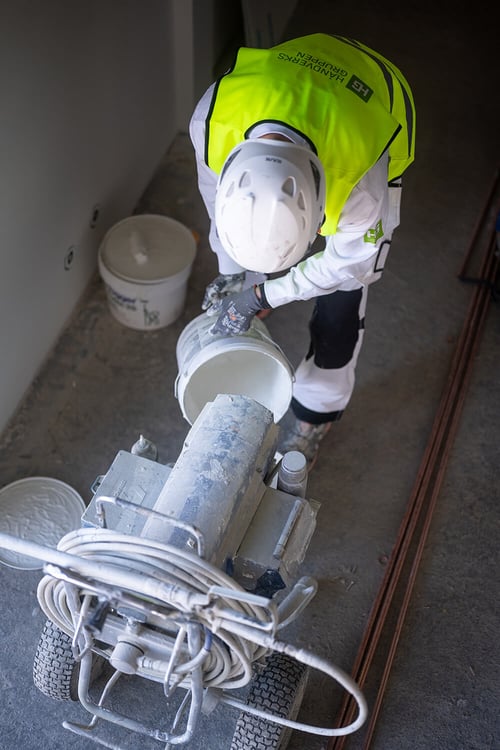
Risanger & Sønn, a painting company based in Haugesund, Norway, that has been part of HG since 2020, has built something genuinely special: a workforce culture that makes room for people who might otherwise struggle to find their place in working life. The company’s approach is built on a simple but powerful philosophy. As General Manager Sjur Risanger puts it: “A person who wants to but cannot, we make room for. A person who can but doesn’t want to, we don’t get much out of.” Willingness and attitude matter more than a polished CV. The result is a team that is skilled, committed and genuinely diverse, including craftspeople who came to Norway as refugees, others who have faced barriers to employment, and people who simply need someone to give them a chance.
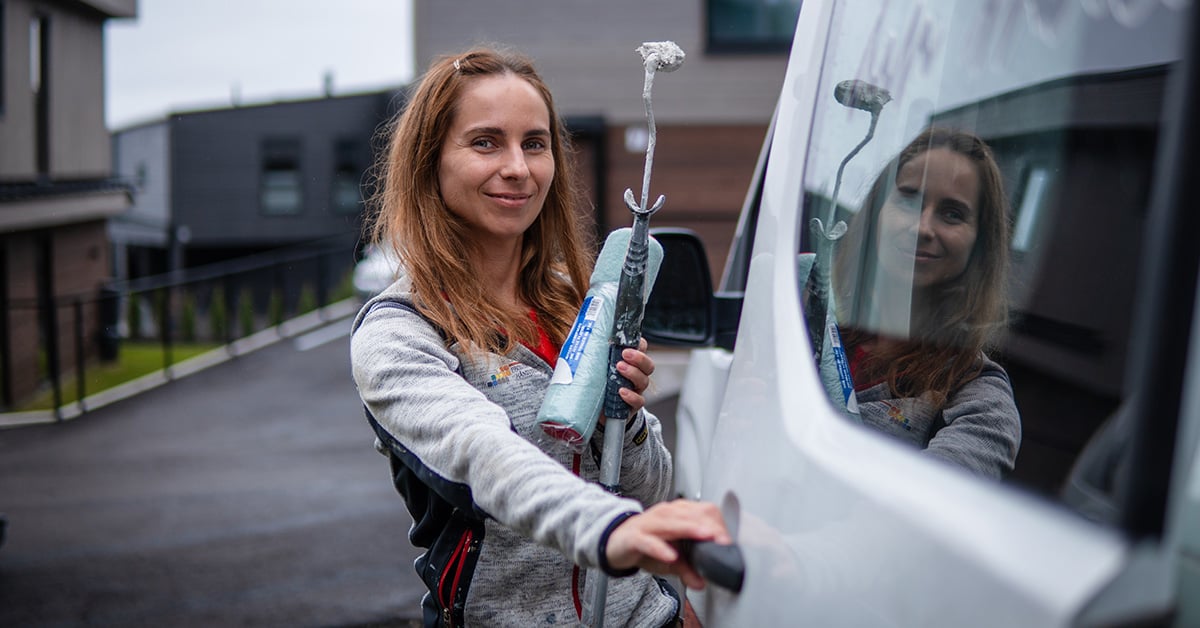
One of those people is Krystyna Donchenko, who fled Ukraine and found her footing as a painter at Risanger & Sønn. Her story, and the company’s approach to inclusion, was featured in research by SINTEF on how to bring more people into employment and caught the attention of both national media and policymakers. In January 2025, Risanger & Sønn was awarded Haugesund municipality’s Integration Prize, in recognition of their outstanding work in giving people a real change, while also setting high expectations and showing genuine care.
This is what inclusion looks like in practice: not a program or a policy, but a culture. And it is exactly the kind of local leadership we are proud to have within HG.
Taking responsibility for our environmental impact is a natural part of how we do business. Much of our work is about maintaining and upgrading existing buildings, which helps extend their lifespans and reduce the need for new materials. The 2025 DMA confirmed the three environmental topics that are most material for HG: climate change (including GHG emissions and energy dependency), microplastics and waste. These affect both our operational impact on the world around us and our exposure to financial risks and opportunities as the economy transitions towards lower-carbon and more resource-efficient models.
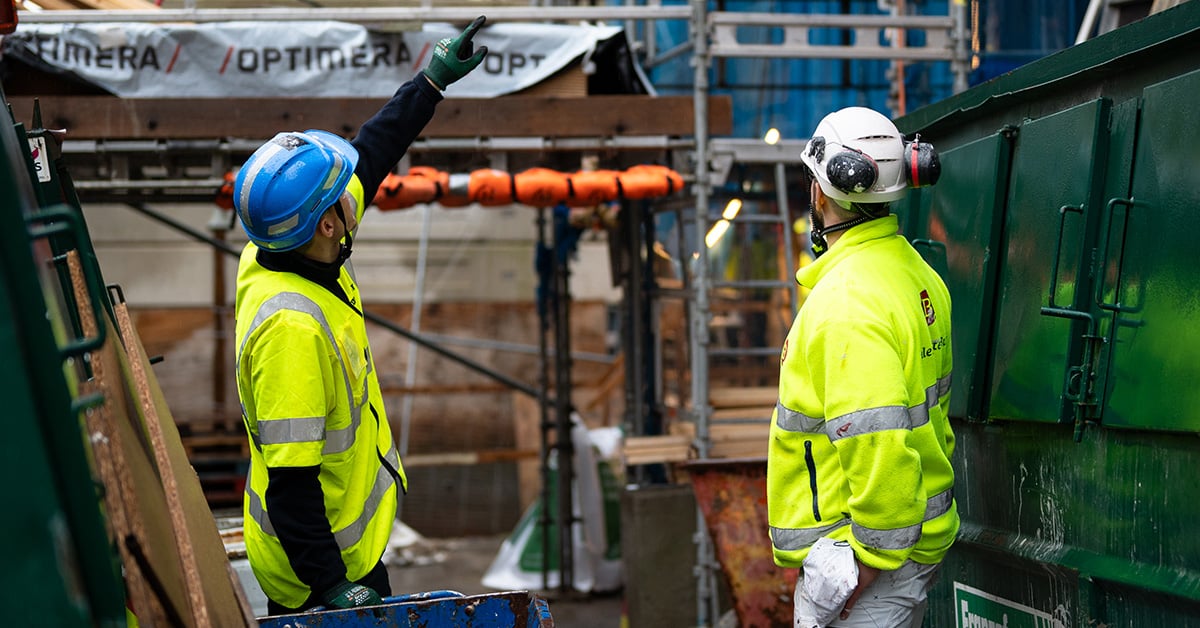
Over the course of 2025, we have continued to deepen and mature our sustainability work across the group, building on the progress of previous years with greater structure, sharper data and clearer accountability. We are proud of the craft-based culture we come from, and we want to demonstrate that quality and responsibility go hand in hand. Sustainability is not something we layer on top of the business; it’s an essential part of how we work and the decisions made every day. That includes the craftsperson who sorts waste and washes their paintbrushes correctly, the general manager who ensures their team lives the Code of Conduct, and the HR team that invests in developing the next generation of leaders and craftspeople.
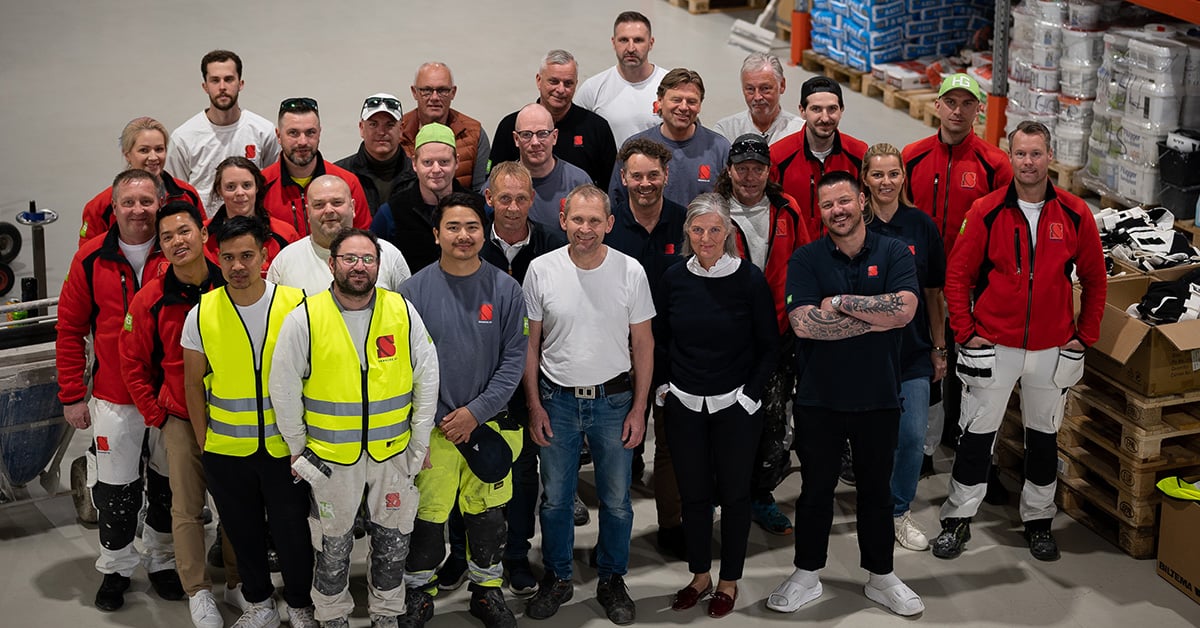
The environment around us is constantly changing. Customer expectations are rising, regulatory requirements are expanding, and the industry itself must evolve. We intend to lead that evolution, and whilst there is more to do, we are not standing still. With every step we take, our mission remains clear: to build a stronger, more resilient business. One that values our people, takes care of our planet and acts with integrity in every decision.